

paolagAug 13

@women_farming_mali
Comparing growers with non-growers in the same villages, the gap that shows up isn't only income — it's who speaks at the meeting and who holds the key to the store. That is what empowerment looks like when you can actually measure it.

A small revolving input fund is running: members borrow for seed and fertiliser at planting and repay after the sale. Credit sized to a growing season, rather than credit designed for someone else's business, is most of what was missing.

Selling as a group at the San market instead of eleven women selling alone at eleven prices. Collective bargaining is not a theory here, it's a table with everyone's sacks on it.

Onions out of storage in the lean months, not at the harvest-day glut. Same crop, same women, different calendar — and the buyer is the one who has to wait now.

We measured post-harvest loss honestly for the first time and it stung: roughly a third of the onion crop was rotting or sprouting before it ever reached a buyer. You cannot argue with a number like that — you build ventilated storage.

First shallot harvest of the season is out of the ground. Curing properly in shade for two weeks is unglamorous work that decides whether the crop lasts four months or four weeks.

Dry-season irrigation is the whole game here. Two shared pumps and a rota agreed by the cooperative mean plots that used to go dormant in February are still producing — and a woman with a February crop sells into a thinner market.

Six focus groups done. The barrier the women name first is never the seed or the soil — it's who gets to decide what happens to the money after the sale.

Baseline surveys have started across San: we're aiming for 200-250 households before the dry season closes. Nobody can tell us what onions are actually worth to a woman's household until we have the numbers on paper.

Nursery beds are in at Niasso. Shallot seed goes down first, onions follow in three weeks — the staggering is deliberate, so the whole cooperative isn't carrying its harvest to market on the same day. 🌱

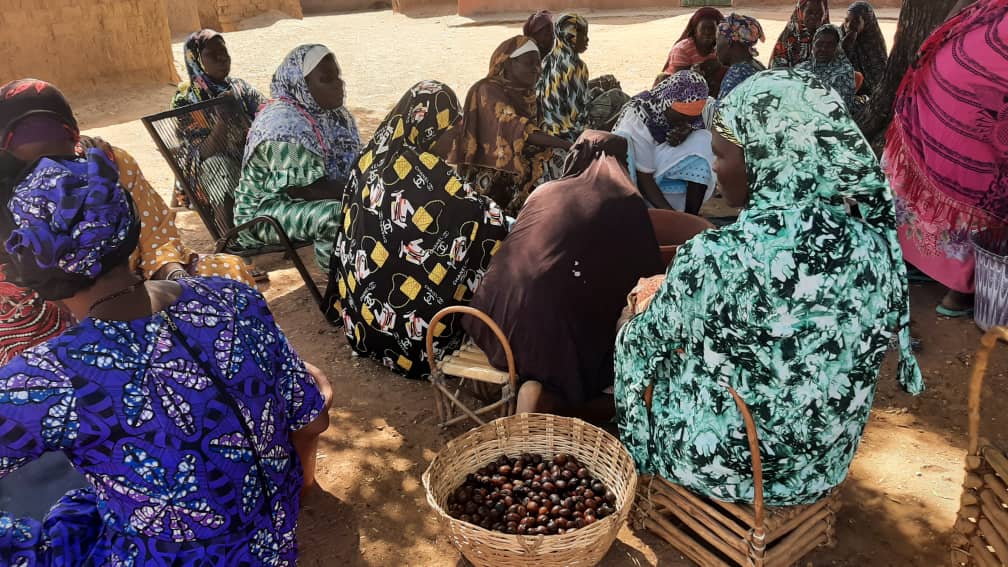
The cooperative that made it real — 24 women who now decide when to sell, not the harvest-time buyer.
First community storage unit is built. Simple, ventilated, rodent-proof — and it lets a cooperative hold onto grain until prices recover months after harvest. Early estimate: 30-40% more income on the same crop.
Women grow much of Mali's food and capture the least of its value. Our project attacks the two leaks: no storage (so they sell low at harvest) and no access to the value chain. Fix both, and income rises without a single extra acre.