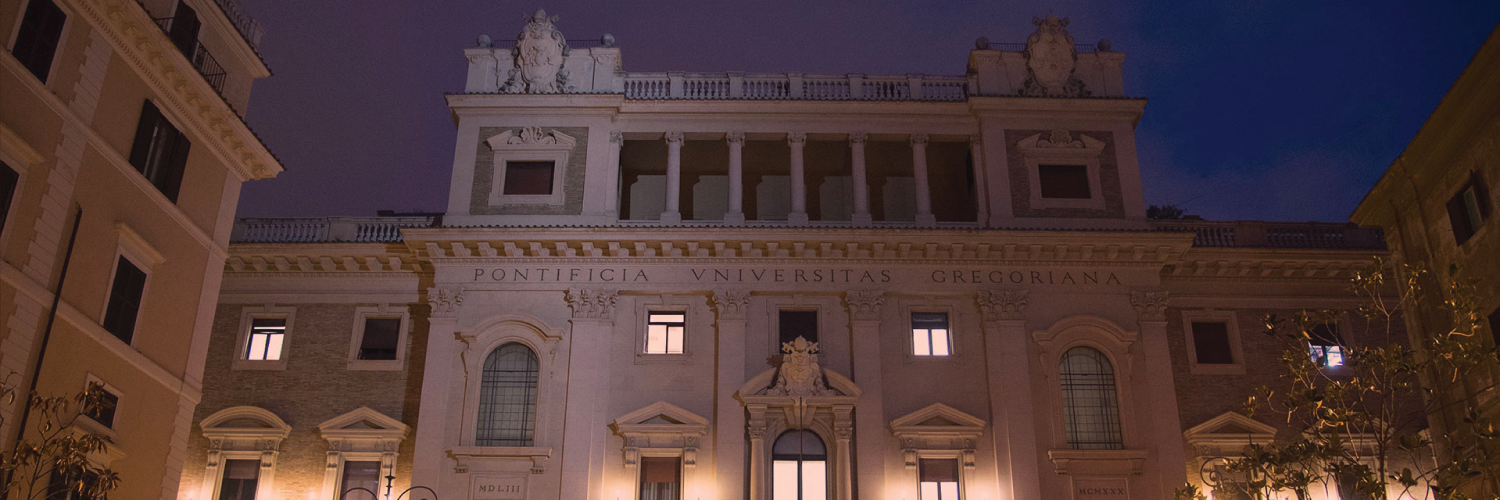

Pontifical Gregorian University
@pgu
ItalyThe Pontifical Gregorian University is a private pontifical university in Rome, Italy. The Gregorian originated as a part of the Roman College, founded in 1551 by Ignatius of Loyola, and included all grades of schooling.
Mission
Pontifical Gregorian University: Mission & Vision
Founded in 1551 by St. Ignatius of Loyola, the Roman College began as a free school of grammar and Christian doctrine in Rome. Over the centuries, it expanded to include chairs in philosophy and theology, gaining the right to award academic degrees in 1556. The Roman College, at the crossroads of Church and society, faith and culture, faith and justice, faith and science, was renamed the Pontifical Gregorian University (PGU) by Pius IX in 1873.
---
Recent Integration & Common Vision (2024)
On May 19, 2024, two historic institutes—the Pontifical Biblical Institute and the Pontifical Oriental Institute—were integrated into the Pontifical Gregorian University as part of the Collegium Maximum (the university's original core). The new statutes, approved by the Dicastery for Culture and Education on February 11, 2024, unite these three missions in a single, common vision.
---
The Collegium Maximum
- Retains the academic units of the former Gregorian University: faculties, institutes, and centers
- Learn more
The Pontifical Biblical Institute (PIB)
- Founded: 1909 by Pius X
- Mission: “A center of higher studies of Sacred Scripture in the city of Rome to promote biblical doctrine and all related studies as effectively as possible.”
- History of the PIB
The Pontifical Oriental Institute
- Founded: 1917 by Pope Benedict XV
- Mission: “An academy, or theological university, dedicated exclusively to the study of the various theological subjects developed in the East.”
- Entrusted to the Society of Jesus in 1922 to preserve its mission of service to the Eastern Churches
- Learn more
---
Today, the Pontifical Gregorian University confronts modern challenges by adapting to the times while maintaining the spirit of St. Ignatius and remaining faithful to its historical roots and missions.